Provincial French Laws and Their Role in Evolving Blackjack Payout Structures Across Digital Platforms
Olivia Hughes · Oct 26, 2026
Provincial French Laws and Their Role in Evolving Blackjack Payout Structures Across Digital Platforms
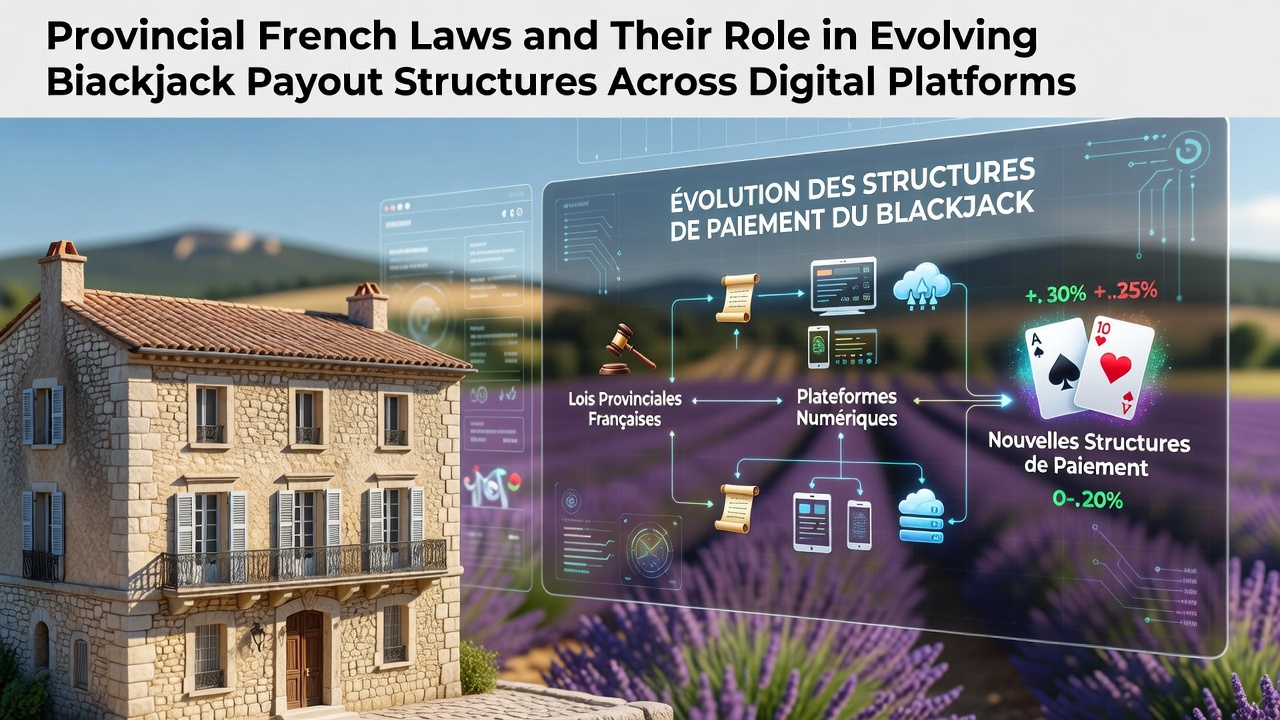
Provincial applications of French gambling statutes have shaped payout mechanics in online blackjack over several decades, with regional enforcement bodies adapting national frameworks to digital environments. French law establishes core requirements for game fairness and return-to-player percentages, yet provincial authorities in areas such as overseas departments and certain metropolitan regions apply these rules through localized licensing conditions that directly influence how operators structure blackjack payouts on digital platforms.
Historical Development of French Regulatory Frameworks
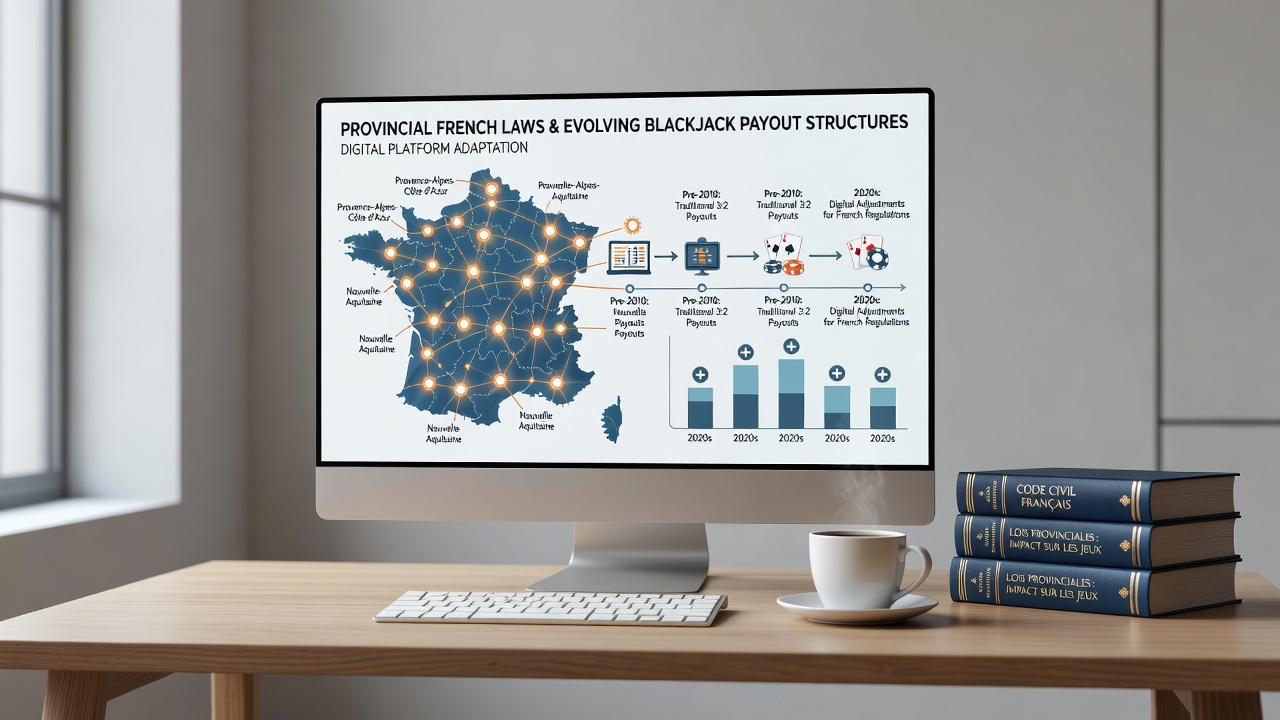
National legislation dating back to the early 20th century created the foundation for gambling oversight, while provincial offices began interpreting these statutes for emerging digital formats in the 1990s and 2000s. Data from regulatory archives shows that early online blackjack offerings in France adhered to a standard 3-to-2 payout ratio for natural blackjacks, yet provincial variations emerged when regional tax structures imposed additional levies on operator revenues that forced adjustments in prize distribution models. By 2010 the creation of the national gaming authority consolidated much of this oversight, although provincial agencies retained authority over site-specific compliance audits that continue to affect payout tables today.
Impact on Digital Payout Structures
Operators serving French provincial markets must align blackjack payout ratios with both national return-to-player thresholds and regional tax calculations, resulting in documented shifts toward 6-to-5 payouts in certain licensed environments where higher effective tax burdens reduce operator margins. Figures released by French gaming oversight bodies indicate that platforms operating under stricter provincial interpretations adjusted their blackjack side-bet structures between 2018 and 2023 to maintain compliance while preserving overall game viability. These changes appear in software updates that recalibrate payout tables automatically when a player's location registers within specific departmental jurisdictions.
October 2026 Regulatory Updates
In October 2026 provincial enforcement offices across multiple French regions implemented revised audit protocols that require real-time reporting of blackjack payout distributions on digital platforms. These protocols build on existing national standards and introduce mandatory disclosure of any deviation from baseline payout percentages, prompting several major operators to standardize 3-to-2 ratios across all provincial user segments to avoid fragmented compliance records. Records from the period show increased coordination between provincial offices and platform developers, leading to unified backend systems that dynamically adjust displayed payouts based on verified user location data.
Comparative Analysis Across Regions
Provincial differences remain visible when comparing mainland French platforms with those licensed in overseas departments, where local economic development incentives sometimes permit temporary adjustments to payout structures during pilot programs. European Commission reports on cross-border gambling services note that French provincial rules interact with EU directives on consumer protection, creating layered requirements that operators must satisfy simultaneously. One documented case involved a platform that modified its blackjack progressive jackpot contributions after a provincial authority determined the original structure violated regional revenue allocation guidelines.
Technical Adaptations by Digital Platforms
Software providers have responded to these regulatory layers by building modular payout engines capable of switching between multiple ratio configurations without requiring full game redeployment. Technical documentation from industry suppliers indicates that geolocation verification integrated with provincial databases now triggers automatic payout table updates at the start of each session. This approach reduces manual intervention while ensuring continuous alignment with evolving provincial interpretations of national law.
Conclusion
Provincial French laws continue to drive incremental changes in blackjack payout structures on digital platforms through a combination of tax policy, compliance audits, and technical standardization. Observers tracking these developments note that the interaction between national statutes and regional enforcement produces a dynamic regulatory environment where operators must maintain flexible systems to remain compliant across jurisdictions. Data from ongoing oversight activities suggests further refinements will occur as provincial offices refine their digital monitoring capabilities in coming years.